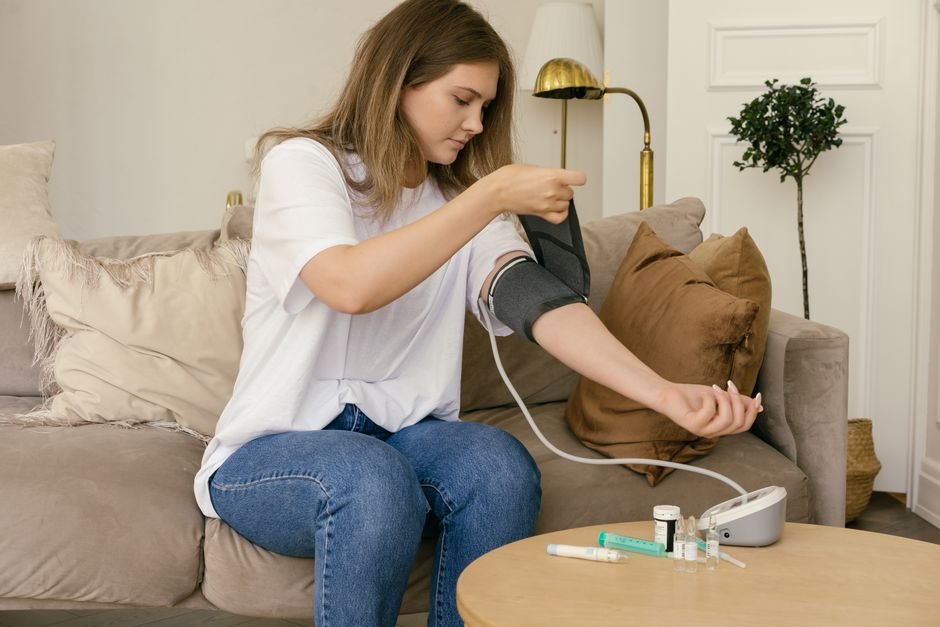
Telehealth is no longer just video visits. With remote patient monitoring (RPM), connected devices such as blood pressure cuffs, glucose meters, and weight scales send readings from a patient’s home to their care team between appointments, so trends can be spotted early rather than at the next office visit. This guide explains how RPM programs typically work in 2026, which devices and conditions they most often involve, how insurance and Medicare generally treat them, and what to ask before enrolling. It is general information only, not medical advice.

What Remote Patient Monitoring Is
Remote patient monitoring is a form of telehealth in which a clinician-ordered program collects physiological data from a patient outside the clinic, usually through connected home devices, and transmits it to the care team for review. Unlike a one-time video appointment, RPM is ongoing: readings flow in daily or several times a week, software flags values outside the ranges the clinician sets, and staff follow up by phone or message when something looks off. RPM is generally used alongside regular care, not as a replacement for in-person visits, and it is distinct from casual self-tracking because a licensed provider orders, reviews, and acts on the data.
Devices Commonly Used in RPM Programs
Most programs supply a cellular- or Bluetooth-connected device so readings upload automatically without the patient typing anything in. Common examples include:
| Device | What it measures | Commonly used for |
|---|---|---|
| Blood pressure monitor | Blood pressure and pulse | Hypertension, heart conditions |
| Glucose meter or CGM | Blood sugar levels | Diabetes management |
| Pulse oximeter | Blood oxygen saturation | COPD, other respiratory conditions |
| Connected weight scale | Body weight trends | Heart failure, weight-related care |
| Wearables | Heart rate, activity, sleep patterns | General monitoring, cardiac follow-up |
| Spirometer or peak flow meter | Lung function | Asthma, COPD |
Which device a program uses, and how often readings are expected, depends on the condition being monitored and the clinician’s orders.
Conditions RPM Is Most Often Used For
RPM is most established in chronic condition management, where day-to-day trends matter. Programs commonly support people managing high blood pressure, diabetes, heart failure, and chronic lung conditions such as COPD or asthma, and some practices use short-term monitoring after a hospital stay or during pregnancy-related care. The common thread is that a measurable value, checked regularly at home, gives the care team information a periodic office visit cannot. For a broader look at how virtual care supports ongoing conditions, see our guide to telehealth for chronic disease management.
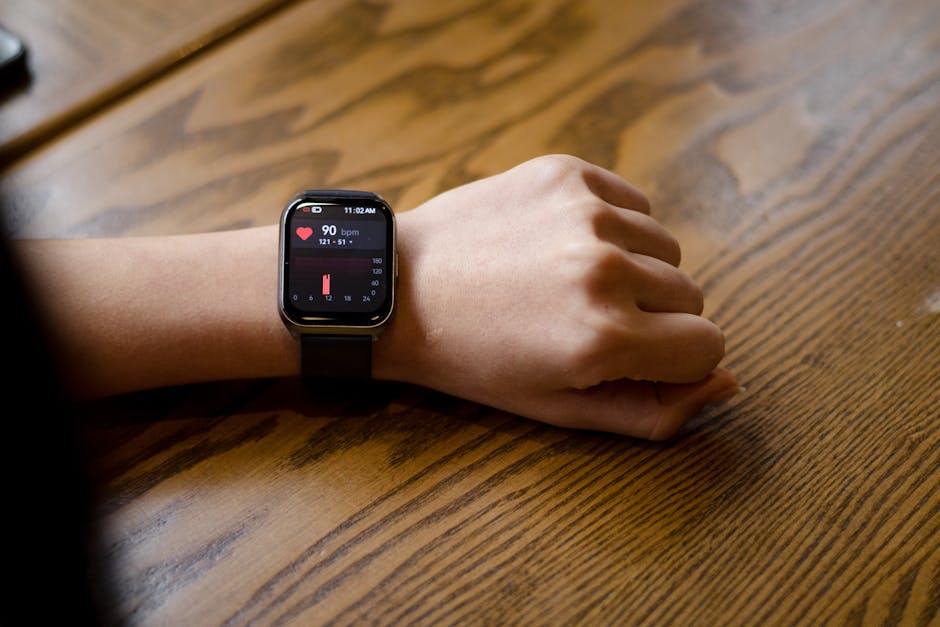
How a Typical RPM Program Works
- Enrollment: A clinician determines RPM is appropriate, explains the program, and obtains the patient’s consent.
- Device setup: The practice or an RPM vendor ships or hands over a connected device, often preconfigured to transmit automatically.
- Daily readings: The patient takes measurements as instructed, commonly once a day or several times a week.
- Monitoring and alerts: Software and clinical staff review incoming data, and out-of-range values trigger a call, message, or visit.
- Periodic review: The clinician reviews trends over time and adjusts the care plan at regular check-ins, which may themselves be telehealth visits.
RPM vs. a Regular Telehealth Visit
A telehealth visit is an appointment: a scheduled, real-time conversation with a clinician by video or phone. RPM is continuous data collection between appointments. The two usually work together, with RPM data giving the clinician something concrete to review during a virtual or in-person visit. RPM also differs from wellness apps and consumer fitness tracking in that it is ordered by a provider, tied to a treatment plan, and reviewed by clinical staff who are expected to respond to concerning readings.
Insurance and Medicare Basics
Coverage for RPM has expanded steadily. Medicare generally covers remote physiologic monitoring services when a provider orders them and program requirements are met, and many Medicare Advantage and commercial plans offer some form of RPM benefit, though details differ widely. Patients may still owe cost sharing such as coinsurance, and plans can set rules about which conditions, devices, and monitoring durations qualify. Because specifics change and vary by plan, it is worth confirming coverage and expected out-of-pocket costs with your insurer before enrolling; official overviews of telehealth and monitoring services are maintained at Telehealth.HHS.gov. Our related guide to Medicare and telehealth covers the broader coverage picture.

Potential Benefits and Practical Limitations
Patients and clinicians often value RPM for the visibility it adds between visits: trends appear earlier, appointments start with real data, and people who live far from a clinic or have mobility challenges can be followed more closely at home. At the same time, RPM has practical limits. It depends on consistent use of the device and a reliable connection, readings can occasionally be inaccurate if a device is used incorrectly, and monitoring is not an emergency service — no one may be watching readings in real time around the clock. RPM also cannot replace physical examinations, labs, or imaging when those are needed. Whether a program is worthwhile depends on the individual’s condition and circumstances, which is a conversation to have with the treating clinician.
Privacy and Data Questions to Ask
RPM data is health information, and programs run by covered providers are generally subject to HIPAA rules. Before enrolling, reasonable questions include: where the readings are stored and for how long, whether any third-party vendor sees identifiable data, how the device transmits (cellular or via a phone app), and how to return the device and stop data collection if you leave the program. Our overview of telehealth privacy and data security covers the broader topic.
Frequently Asked Questions
Do I need to be tech-savvy to use RPM?
Usually not. Many programs use cellular-connected devices that transmit automatically, so the patient only needs to take the reading. Practices typically provide setup help and a support line.
Who is watching my readings?
Typically clinical staff at your provider’s practice or a monitoring service working under it, reviewing data on a regular schedule rather than continuously. Ask your provider how quickly abnormal readings are acted on.
Does RPM replace my regular appointments?
No. It supplements them by giving your care team data between visits. Your clinician still decides how often in-person or video appointments are needed.
What does RPM cost?
It varies by insurance. Covered patients may owe coinsurance or other cost sharing, and uncovered programs may charge a monthly fee. Confirm costs with your plan and provider before enrolling.
Informational Disclaimer
This article is for general informational purposes only and is not medical advice, and it does not recommend any particular device, program, or treatment. Services, coverage rules, and program designs vary by provider, insurer, and state, and they change over time. Always verify details directly with your clinician and insurance plan, and consult official resources such as Telehealth.HHS.gov. If you are experiencing a medical emergency, call 911 immediately rather than relying on a monitoring device or telehealth service.
Final Thoughts
Remote patient monitoring extends telehealth beyond the video call, turning everyday home readings into information a care team can act on. For people managing chronic conditions, that can mean earlier follow-up and more informed appointments, provided the program fits their routine and their coverage. If your clinician suggests RPM in 2026, asking how the data will be reviewed, what it will cost under your plan, and how privacy is handled will tell you most of what you need to decide whether it belongs in your care.