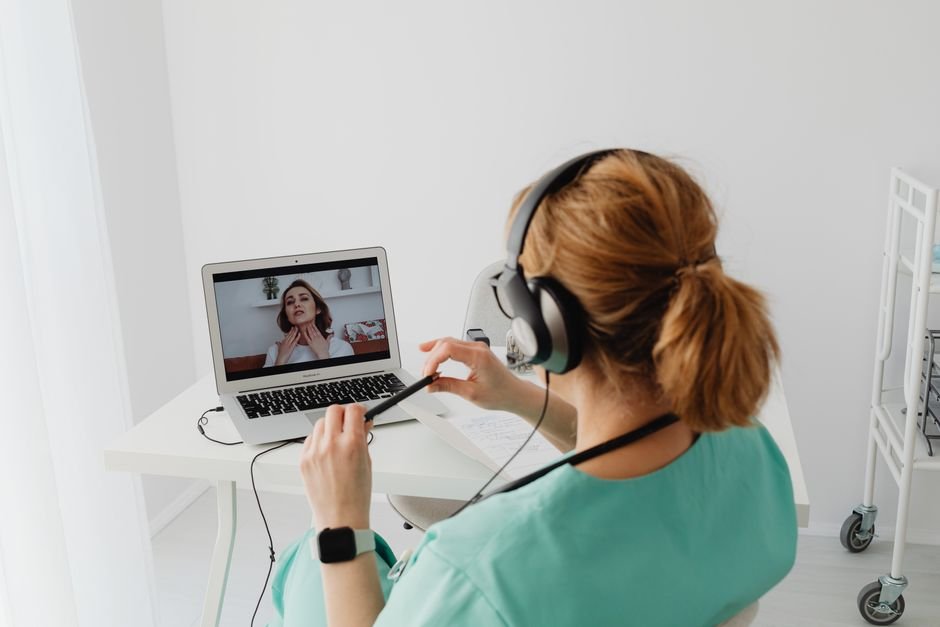
For people living with conditions like diabetes, high blood pressure, or heart disease, staying on top of care means regular check-ins and monitoring. Telehealth has made this easier by allowing frequent contact with clinicians and remote tracking of health data. Here is how telehealth supports chronic disease management in 2026.
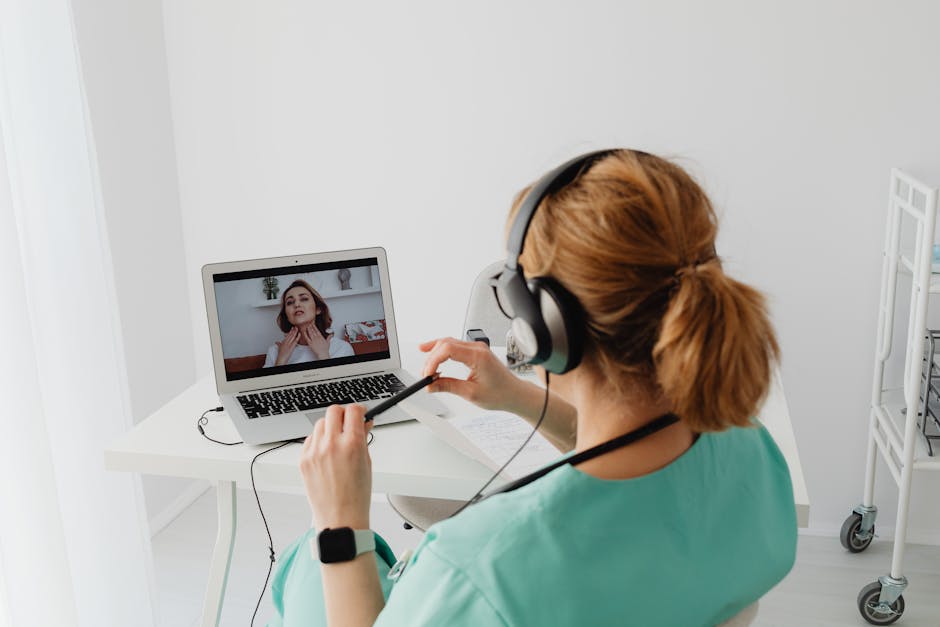
Why telehealth suits chronic care
Chronic conditions benefit from consistent monitoring and regular adjustments to treatment. Telehealth makes frequent check-ins practical without repeated trips to a clinic, which helps people stay engaged with their care plan and catch issues earlier between in-person visits.
Remote monitoring
Some programs use connected devices, such as blood-pressure cuffs or glucose monitors, to share readings with a care team. This remote monitoring lets clinicians track trends over time and respond sooner, which can support better day-to-day management of a condition.
Regular virtual check-ins
Routine video or phone visits allow clinicians to review symptoms, adjust medications, and answer questions. For stable chronic conditions, these virtual check-ins can replace some in-person appointments while keeping care consistent and accessible.

Coordinating your care team
Managing a chronic condition often involves several providers. Telehealth can make it easier to stay in touch with your primary clinician and specialists, and some platforms help coordinate care and share information across your team.
Where in-person care still matters
Telehealth complements but does not fully replace in-person care. Physical exams, certain tests, and procedures still require an in-person visit. The best approach usually blends virtual check-ins with periodic in-person care as your clinician advises.

How to make the most of telehealth for chronic care
Ask your clinician whether virtual check-ins and remote monitoring fit your condition, keep your devices and readings up to date, and confirm your insurance covers the visits. For trustworthy condition information, MedlinePlus is reliable, and general telehealth guidance is at Telehealth.HHS.gov.
Disclaimer
This article is for general informational purposes only and is not medical advice. Telehealth is not a substitute for emergency care; if you have a medical emergency, call 911. Service availability, insurance acceptance, and pricing vary by state and change over time, so verify current details directly with the provider.
Final thoughts
Telehealth has become a valuable tool for managing chronic conditions, offering frequent check-ins, remote monitoring, and easier coordination among providers. Used alongside periodic in-person care, it can help you stay consistent with your treatment plan and manage your health more conveniently in 2026.