
Sharing health information over the internet raises understandable questions about privacy and security. Reputable telehealth services are built to protect your data, but you also play a role in keeping your care private. Here is what to know about telehealth privacy and data security in 2026 and how to protect yourself.

How legitimate services protect you
Established telehealth platforms use secure, encrypted connections and follow health-privacy rules designed to protect your information. Clinicians are bound by professional confidentiality, much as they are in an office. Choosing a reputable service is the first and most important privacy step.
Reading the privacy policy
Before sharing health details, review how a service collects, uses, and shares your data. A trustworthy platform is transparent about this and lets you control your information. Be cautious with services that are vague about who can see your data or how it is used.
Securing your own setup
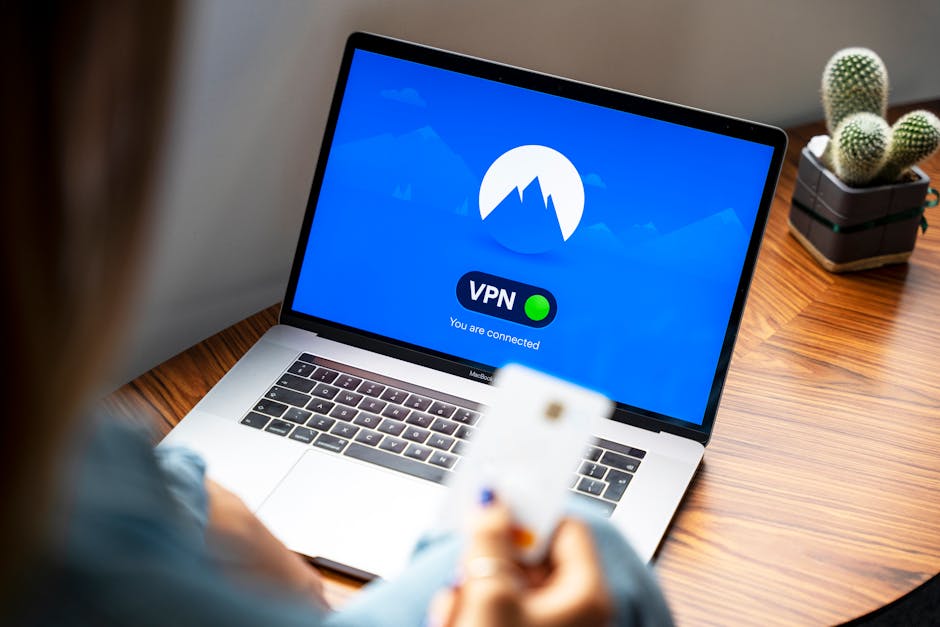
Your privacy also depends on your environment. Use a private space for visits, connect over a secure network rather than public Wi-Fi when possible, and keep your device and app updated. Avoid sharing health-account access on shared or public computers.
Protecting your account
Use a strong, unique password for your telehealth account, and enable extra security like two-factor authentication if it is offered. Be alert to phishing messages that imitate health services, and access your account only through the official app or website.
Knowing your rights
You generally have rights regarding your health information, including how it is used and shared. If you have concerns about how a service handles your data, you can ask the provider directly and review the privacy resources that explain your protections.

How to keep your telehealth visits private
Use reputable services, read the privacy policy, connect from a private space over a secure network, protect your account with a strong password, and stay alert to phishing. For background on virtual care and patient rights, see Telehealth.HHS.gov, and learn about health-information privacy from the U.S. Department of Health and Human Services at HHS.gov/HIPAA.
Disclaimer
This article is for general informational purposes only and is not medical advice. Telehealth is not a substitute for emergency care; if you have a medical emergency, call 911. Service availability, insurance acceptance, and pricing vary by state and change over time, so verify current details directly with the provider.
Final thoughts
Telehealth privacy is a shared responsibility: reputable services protect your data with secure technology and rules, while your own habits, private spaces, secure networks, and strong account security, complete the picture. With sensible precautions, you can use virtual care with confidence in 2026.