
Telehealth has become a common way to see a clinician without going to an office, but if you have never used it, the idea can feel unfamiliar. This beginner’s guide explains what telehealth is, how it works, and what to expect, so you can decide whether virtual care fits your needs in 2026.

What telehealth means
Telehealth is the use of technology, such as video, phone, or secure messaging, to deliver health care remotely. It lets you connect with a clinician from home for many concerns that do not require a physical exam or procedure, expanding access to care.
How a virtual visit works
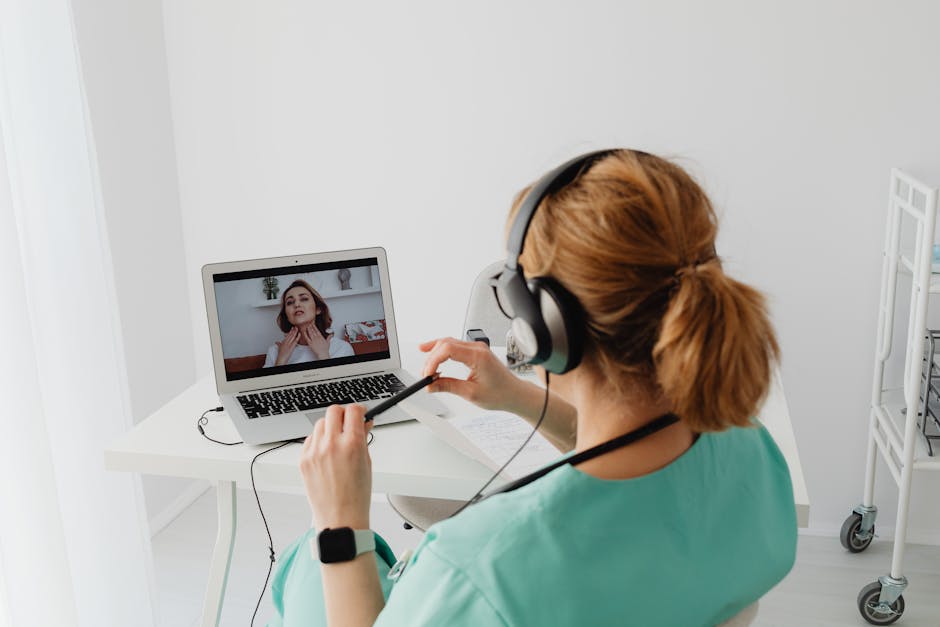
You typically book an appointment through an app or website, then meet the clinician by video or phone. You describe your symptoms, answer questions, and the clinician offers advice, a diagnosis when appropriate, or a prescription. Some platforms also support messaging-based visits.
What telehealth can handle
Virtual care works well for minor illnesses, follow-ups, prescription management, mental-health care, and chronic-condition check-ins. For these, it offers convenience and quick access. It is not a replacement for emergencies or care that needs hands-on examination or testing.
What you need to get started
Usually all you need is a smartphone, tablet, or computer with a camera and internet connection. Many services let you sign up, enter any insurance details, and book a visit in minutes. A quiet, private space helps the visit go smoothly.
Costs and coverage
Telehealth may be covered by insurance with a copay, or offered at a flat self-pay price. Checking coverage before your visit, or comparing flat-fee services if you are uninsured, helps you know what you will pay.

How to get started with telehealth
Choose a reputable service, check whether your insurance is accepted or what the flat fee is, and book a visit from a private space with a stable connection. For background on how virtual care works and your rights as a patient, the federal resource at Telehealth.HHS.gov is reliable, and general health information is at MedlinePlus.
Disclaimer
This article is for general informational purposes only and is not medical advice. Telehealth is not a substitute for emergency care; if you have a medical emergency, call 911. Service availability, insurance acceptance, and pricing vary by state and change over time, so verify current details directly with the provider.
Final thoughts
Telehealth is simply care delivered remotely, and for many routine needs it is convenient, accessible, and effective. Once you understand how a virtual visit works and what it can handle, getting started is easy, making it a useful option to have in 2026.