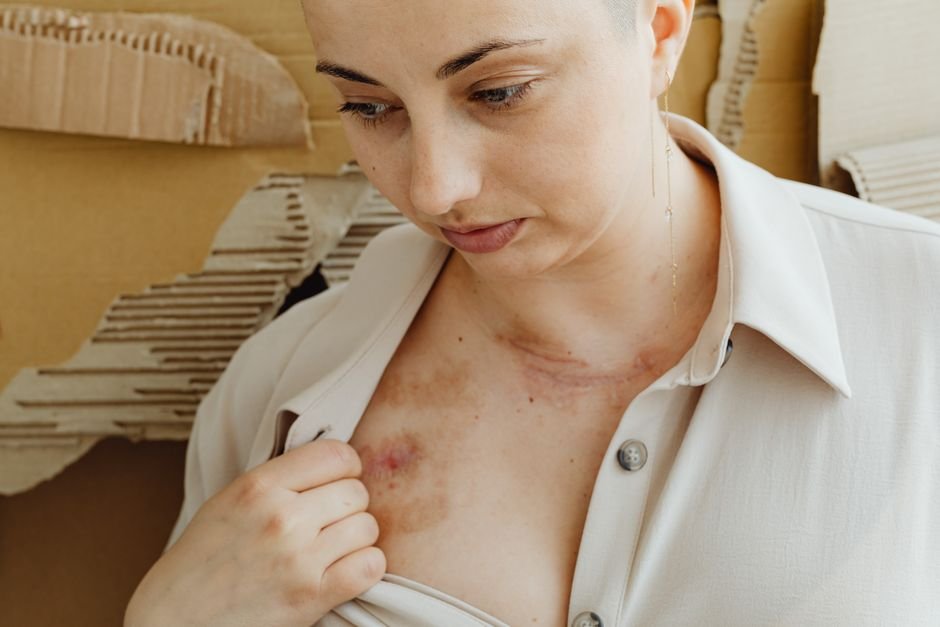
Skin problems are common, but waiting weeks for an in-person dermatology appointment is not always practical. Seeing an online dermatologist through a telehealth service lets you get expert evaluation of acne, rashes, and many other skin concerns, often within a day or two and from home. Here is how teledermatology works in 2026, which conditions it handles well, where it falls short, and how to choose a service you can trust.
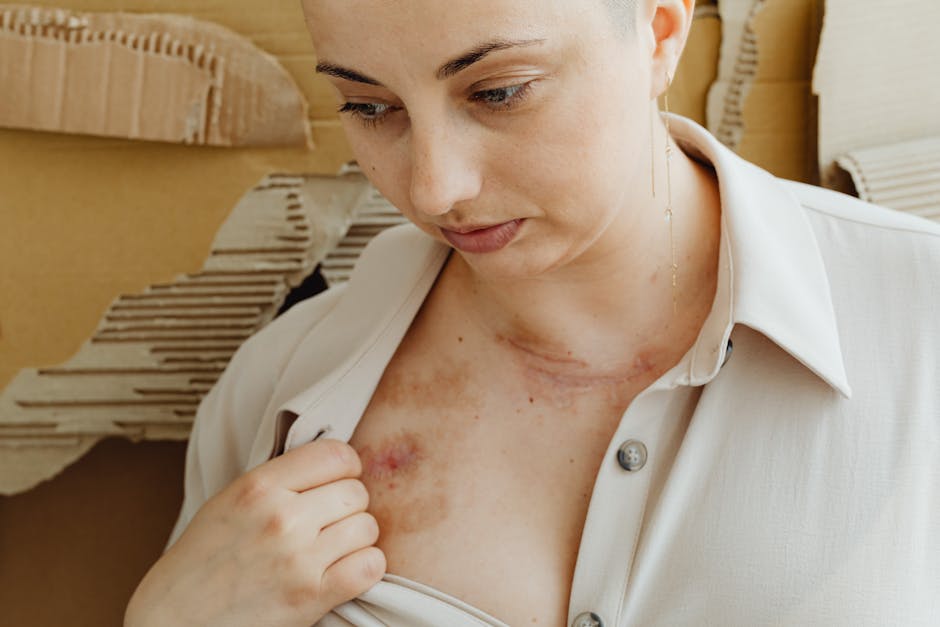
How seeing an online dermatologist works
Teledermatology generally takes one of two forms. In a “store-and-forward” visit, you upload clear photos of the affected skin along with a description of your symptoms, and a licensed dermatologist reviews them and responds with a diagnosis and treatment plan, often within a day. In a live video visit, you speak with the dermatologist in real time, which is useful when the condition is hard to capture in a photo or when you have questions to discuss.
Because skin is visible, dermatology is one of the specialties best suited to remote care. Good photos, taken in bright, even light and from a few angles, let the dermatologist see texture, color, and spread almost as clearly as in person. If a prescription is appropriate, the clinician can send it to your pharmacy, and many services offer follow-up messaging so you can report how a treatment is working.
What teledermatology treats well
Online dermatology handles a wide range of common skin concerns effectively. It is especially well suited to conditions that are visible and stable enough to assess from photos or video.
Common conditions handled remotely
- Acne and rosacea, including ongoing prescription management.
- Eczema, psoriasis, and other chronic rashes that need monitoring.
- Minor infections, insect bites, and contact reactions.
- Hair loss, nail concerns, and cosmetic skin questions.
- Routine follow-ups and prescription refills for known conditions.
For these, research and clinical experience generally support teledermatology as accurate and convenient, with the added benefit of faster access than many in-person clinics can offer.

Where online dermatology falls short
Some situations need an in-person dermatologist. A suspicious or changing mole that may need a biopsy, a lesion that requires a procedure such as removal or cryotherapy, or a condition that demands a hands-on exam or dermoscopy cannot be fully resolved over a screen. A responsible online dermatologist will recognize these cases and refer you for in-person evaluation rather than guessing from a photo.
If you ever notice a mole that is changing in size, shape, or color, or a spot that bleeds or will not heal, treat it as a reason to be seen in person promptly. The CDC’s skin cancer information explains the warning signs worth acting on, and any reputable service should steer you toward in-person care when those signs appear.
What an online dermatologist visit costs
Costs vary by service and visit type. A store-and-forward photo review is often the most affordable option, while a live video consultation typically costs more. Many telehealth platforms publish a flat per-visit price, and some charge a subscription that bundles messaging and follow-ups. Prescriptions are billed separately at your pharmacy, though generic dermatology medications are frequently inexpensive.
If you have insurance, it may cover teledermatology, especially when you use an in-network provider, though coverage rules differ by plan and state. It is worth checking before you book; our overview of whether insurance covers telehealth explains how to confirm your benefits and what questions to ask.

How to choose a safe service
Not every “skin care” app connects you to a real dermatologist, so verification matters. Choose a service that clearly states its clinicians are board-certified dermatologists licensed in your state, that protects your photos and health information on a secure platform, and that is transparent about pricing. Be cautious with sites that promise a diagnosis without any clinician review or that push products without an evaluation. For broader guidance on using virtual care safely, see our article on whether online doctor visits are safe.
It also helps to prepare for the visit: take clear, well-lit photos from multiple angles, note when the problem started and any products or medications you have tried, and list your allergies and current prescriptions. Good information up front leads to a more accurate assessment.
How to get the most from teledermatology
Use an online dermatologist for visible, non-urgent skin concerns and prescription management, send high-quality photos, and follow any advice to be seen in person when a hands-on exam or biopsy is needed. To verify that a platform uses properly credentialed clinicians and to understand your privacy rights, review the federal patient resources at Telehealth.HHS.gov, and if you need a prescription afterward, our guide on how to get a prescription online safely walks through the steps.
Disclaimer
This article is for general informational purposes only and is not medical advice. Teledermatology is not a substitute for emergency or in-person care when a hands-on exam, biopsy, or procedure is needed. Service availability, insurance acceptance, and pricing vary by state and change over time, so verify current details directly with the provider.
Final thoughts
An online dermatologist offers a fast, convenient way to address common skin concerns and manage ongoing conditions, and for visible problems it is often as effective as an office visit. Use it for the situations it handles well, choose a service with board-certified, licensed clinicians and strong privacy practices, and seek in-person care for anything that needs a biopsy or procedure to get safe, reliable skin care in 2026.