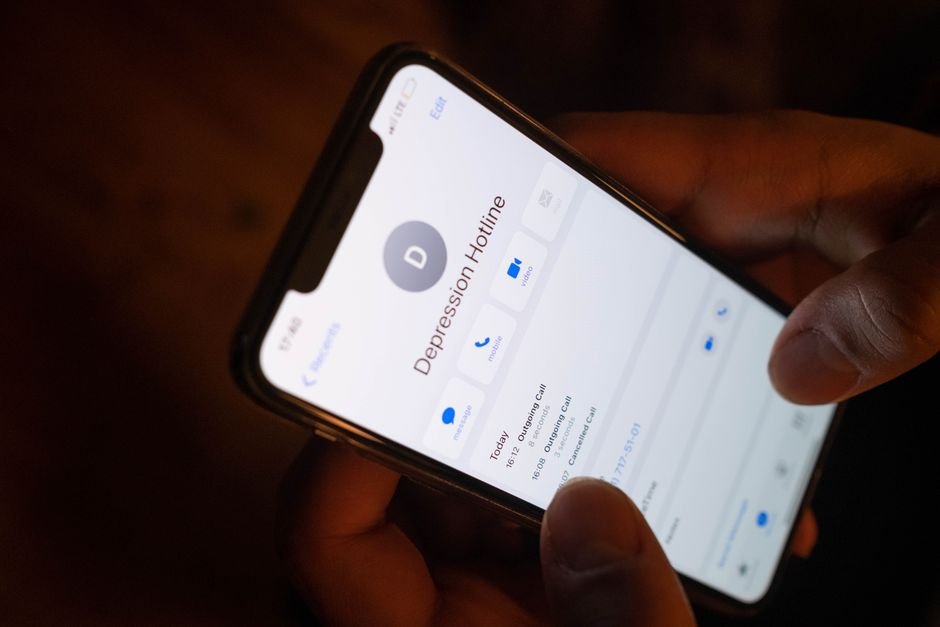
Telehealth has expanded access to mental-health care, letting people connect with therapists and psychiatrists from home. For many, this has removed barriers like travel, scheduling, and stigma. Here is what to know about using telehealth for mental health in 2026, including what it can help with and how to get started.
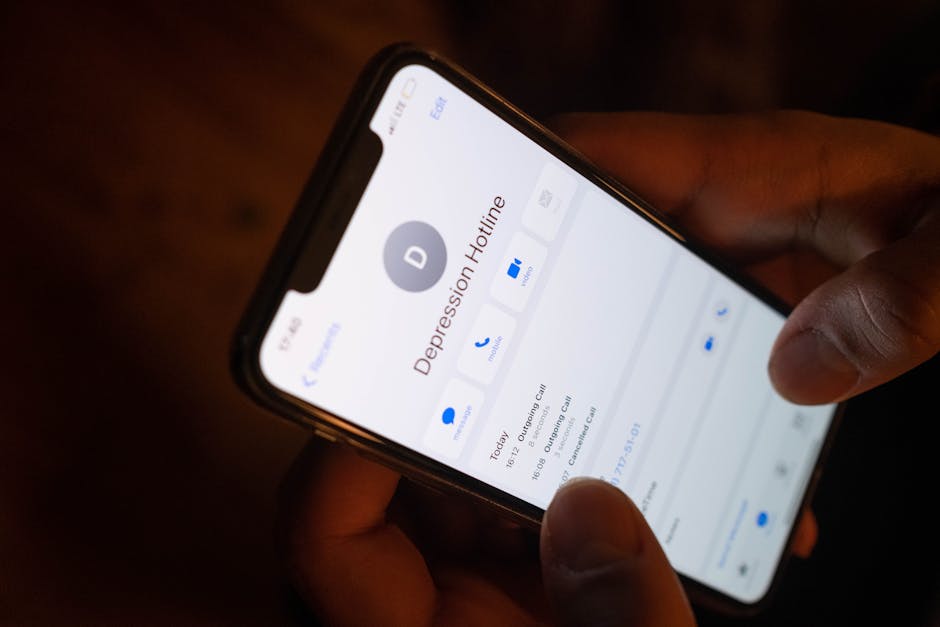
What virtual mental-health care covers
Telehealth supports therapy for concerns like anxiety, depression, stress, and relationship issues, as well as psychiatric care that may include medication management. Many platforms offer video, phone, and messaging options, and some focus specifically on mental health with licensed therapists and prescribers.
Therapy online
Online therapy connects you with a licensed therapist for regular sessions. Some services match you with a therapist and include messaging between sessions, while others let you choose your own. Consistency with the same therapist supports progress over time.
Psychiatry and medication
Some telehealth platforms offer psychiatric evaluations and medication management with licensed prescribers. This can be helpful for conditions that benefit from medication, though certain medications may require in-person visits or additional steps depending on rules in your state.

Cost and insurance
Many mental-health platforms accept insurance, and employers increasingly include virtual mental-health benefits. Compare the cost per session, whether your insurance is accepted, and what is included, such as messaging or how often you can meet.
When you need more support
Telehealth is a valuable tool, but it is not a substitute for emergency care. If you are in crisis or having thoughts of self-harm, contact emergency services or a crisis line immediately. In the U.S., you can call or text 988 to reach the Suicide and Crisis Lifeline.

How to get started with virtual mental-health care
Decide whether you want therapy, psychiatry, or both, check whether your insurance is accepted, and choose a platform that supports continuity with the same clinician. For trusted information and resources, see NIMH, and for crisis support in the U.S., the 988 Suicide and Crisis Lifeline is available 24/7.
Disclaimer
This article is for general informational purposes only and is not medical advice. Telehealth is not a substitute for emergency care; if you have a medical emergency, call 911. Service availability, insurance acceptance, and pricing vary by state and change over time, so verify current details directly with the provider.
Final thoughts
Telehealth has made mental-health care more accessible than ever, covering therapy and, on some platforms, psychiatry. Choose a service that fits your needs and budget, confirm insurance if you have it, and remember that in a crisis you should seek immediate help rather than wait for a scheduled visit.